Popular Wood Types Used for Deck and Porch Construction
People seeking deck and porch construction often want to know about popular wood types used for durability and appearance, and local contractors can recommend the best options for their project.
If you're considering building or upgrading a deck or porch, understanding the popular wood types used for construction can make a significant difference in your project’s durability, appearance, and maintenance needs. Property owners in the area often explore this topic to ensure their outdoor spaces stand up to local weather conditions and age gracefully over time. Whether you’re seeking a natural look, enhanced resistance to the elements, or a specific style, knowing the options available can help you make informed decisions when working with local contractors.
Local service providers specializing in deck and porch construction are well-versed in the characteristics of various wood types and can recommend the best choices for your specific property and preferences. They can also handle the installation process, ensuring the materials are used effectively to create a safe, attractive outdoor feature. Keep reading to discover the most popular wood types used for decks and porches, and learn how working with experienced local contractors can bring your outdoor vision to life with quality craftsmanship.
- Deck construction - homeowners planning to build or replace a deck often seek local contractors experienced with popular wood types used for deck and porch construction.
- Porch renovation - those updating or expanding a porch may need service providers familiar with the best wood options for durability and appearance.
- Custom outdoor structures - clients designing unique decks or porches look for local pros who understand how different wood types perform in outdoor environments.
- Wood selection advice - property owners considering various wood options for their outdoor projects can benefit from local contractors’ expertise in popular wood types used for deck and porch construction.
- Material installation - individuals installing new decks or porches want service providers skilled in working with the most common wood types used in these projects.
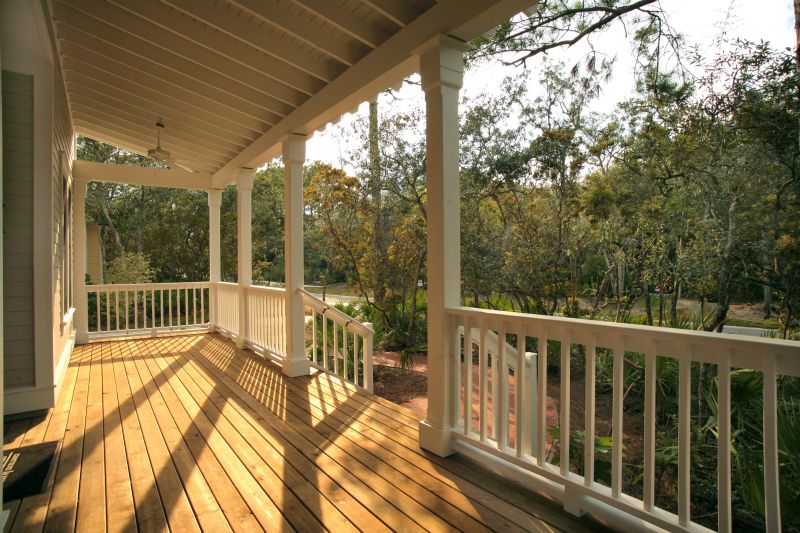
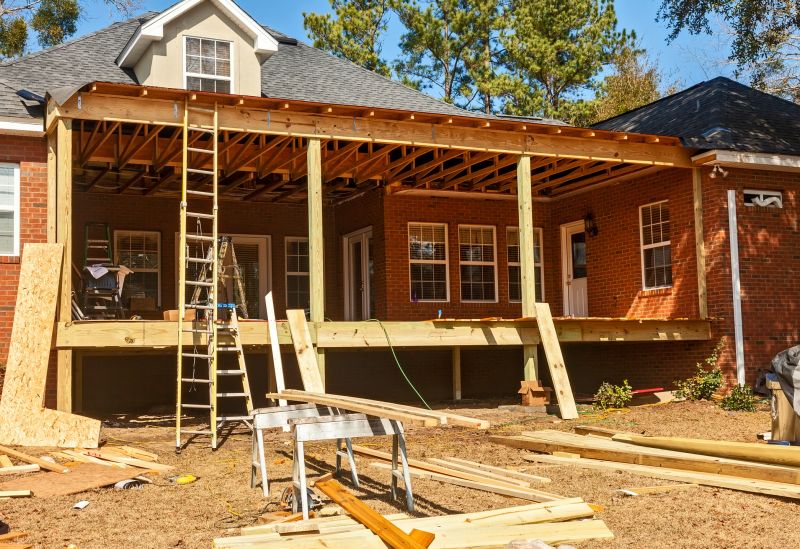
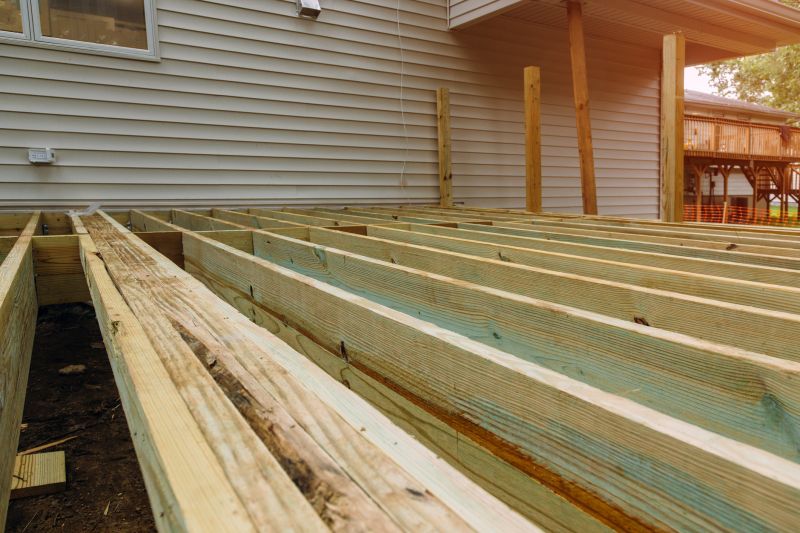
When homeowners search for information about popular wood types used for deck and porch construction, they are often seeking guidance on the best materials to achieve durability, appearance, and long-lasting performance. This topic relates to planning new outdoor spaces or upgrading existing ones, where choosing the right wood can influence the project’s success. Many property owners want to understand which woods are most suitable for their specific climate, aesthetic preferences, and usage needs. They might also be exploring options to ensure their decks or porches withstand weather elements, resist pests, and require minimal maintenance over time. Connecting with local contractors who specialize in deck and porch construction can help homeowners navigate these choices effectively, ensuring they select materials that align with their property’s conditions and their personal preferences.
The types of properties that frequently come up in this context include single-family homes, multi-family residential buildings, and even commercial properties with outdoor spaces. For homeowners, the focus is often on residential decks or porches attached to houses or apartment complexes, where outdoor living areas enhance curb appeal and usability. These projects can vary widely-from small, cozy porches to expansive decks designed for entertaining or family gatherings. Property owners may also be considering renovations or replacements of existing structures, aiming to improve longevity and visual appeal. Local contractors experienced in deck and porch construction can assess the property's unique characteristics and recommend suitable wood types that meet both aesthetic and functional goals.
Popular wood types used for deck and porch construction generally include options like pressure-treated lumber, cedar, redwood, and composite materials. Pressure-treated wood is a common choice because of its affordability and resistance to rot and insects, making it suitable for various climates. Cedar and redwood are favored for their natural beauty, attractive grain, and inherent resistance to decay, often preferred for visible surfaces that benefit from a warm, natural look. Some property owners opt for composite or synthetic materials that mimic the appearance of wood but offer enhanced durability and low maintenance. Local service providers can help determine which wood type aligns best with the property’s environmental conditions, usage patterns, and desired appearance, ensuring a long-lasting outdoor space.
Understanding the differences among these popular wood types helps homeowners make informed decisions when planning their decks or porches. Each wood type offers distinct benefits and considerations, such as cost, appearance, durability, and maintenance needs. Working with local contractors who are familiar with these materials ensures that the project is built with the right wood for the specific property and climate. These professionals can also advise on proper installation techniques and ongoing upkeep, which are essential for maximizing the lifespan and appearance of the outdoor structure. Ultimately, selecting the right wood type is a key step in creating a functional, attractive outdoor space that enhances the property’s value and usability.
Outdoor furniture projects - local contractors experienced in working with various wood types can help design and build durable outdoor furniture that complements decks and porches.
Garden structures - building pergolas, trellises, and planters requires similar skills with wood selection, planning, and precise construction as deck and porch projects.
Interior woodwork - crafting custom interior features like flooring, wall paneling, and staircases involves knowledge of wood types used in exterior projects, ensuring consistency and quality.
Fence installation - installing fences with different wood materials shares techniques for handling wood durability and aesthetic appeal relevant to deck and porch construction.
Siding and cladding - applying wood siding involves planning and skill with similar wood types used in decks and porches, emphasizing material selection and installation techniques.
Carpentry and framing - framing structures for sheds, gazebos, or extensions requires foundational carpentry skills comparable to those needed for decks and porches using popular wood types.
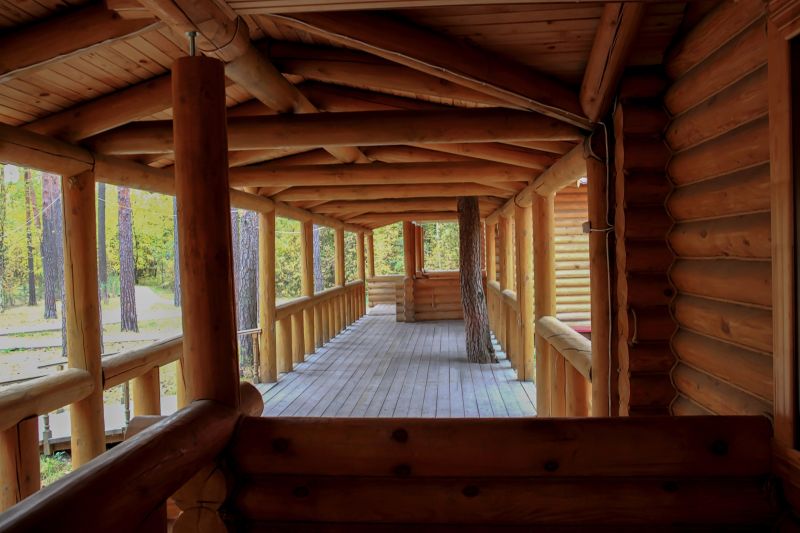
When evaluating local contractors for deck and porch construction, it is important to consider their experience with similar projects, particularly those involving popular wood types used for deck and porch construction. Homeowners should inquire about the types of wood the service providers have worked with and request examples of past projects that showcase their familiarity with these materials. A contractor with a proven track record in handling various wood options can better ensure that the chosen material will meet expectations for durability, appearance, and suitability for the specific project.
Clear written expectations are essential when comparing local service providers. This includes detailed descriptions of the scope of work, the types of wood to be used, and the level of craftsmanship involved. Homeowners should seek out contractors who provide comprehensive proposals that outline materials, processes, and project milestones. Having these details documented helps prevent misunderstandings and provides a basis for evaluating whether the contractor’s approach aligns with the homeowner’s preferences and needs.
Good communication and reputable references are key indicators of a reliable contractor. Homeowners are encouraged to ask for references from previous clients who had similar projects involving popular wood types. Speaking with past customers can reveal insights into the contractor’s professionalism, responsiveness, and ability to deliver quality results. A contractor who maintains open lines of communication and provides transparent information can help ensure the project progresses smoothly and meets the homeowner’s expectations for their deck or porch construction.
Property owners often search for popular wood types used for deck and porch construction when they are planning practical projects around their homes and businesses. Local pros provide Deck and Porch Construction services for everyday jobs and straightforward project options.
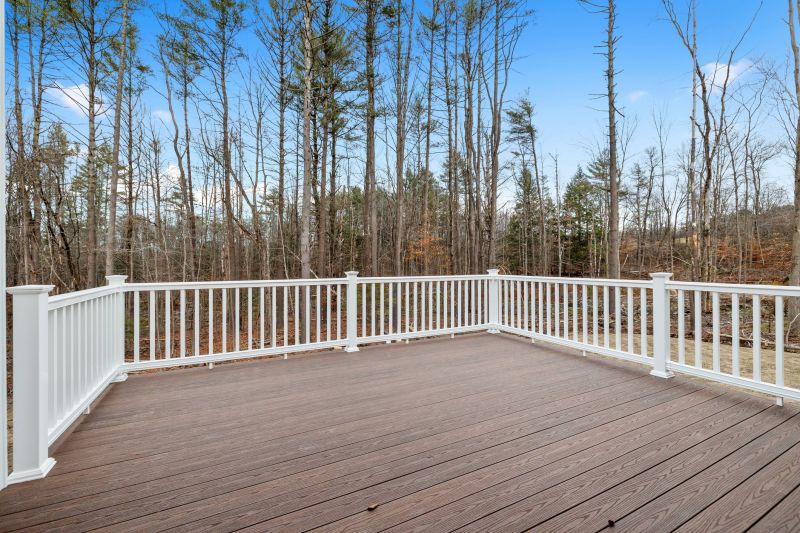
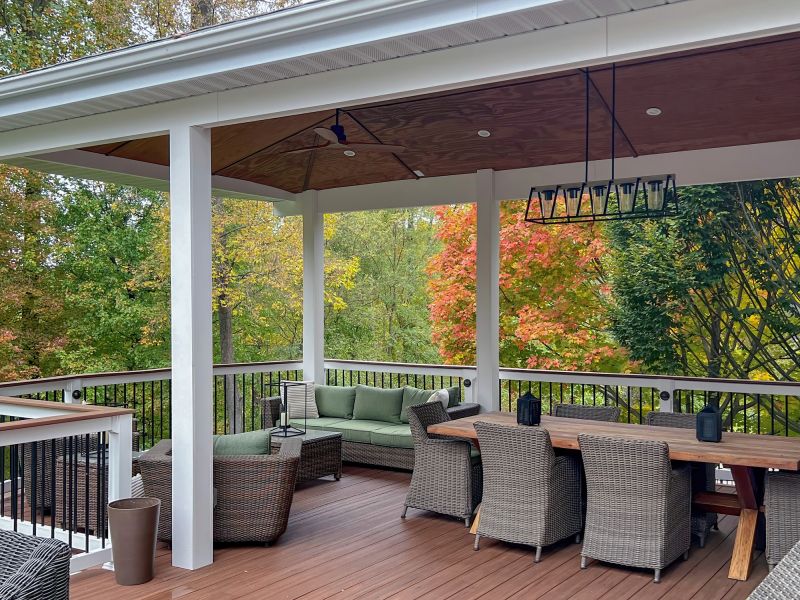
Many property owners looking to build or upgrade their decks and porches often explore the most popular wood types used for construction. Understanding the different options can help them make informed decisions about durability, appearance, and maintenance needs. Local contractors experienced in deck and porch projects are familiar with these common wood choices and can recommend the best materials based on individual preferences and the specifics of the property. They can also handle the installation process, ensuring that the chosen wood type is properly treated and assembled for long-lasting results.
Choosing the right wood for a deck or porch can impact both the look and longevity of the project. Popular wood types such as pressure-treated lumber, cedar, or composite materials are frequently used because they balance cost, strength, and aesthetic appeal. Property owners who want a professional touch can rely on local service providers to help select the best wood type for their environment and style preferences. These experts can also manage the construction, ensuring that the project aligns with the desired outcome and withstands everyday wear and tear.
What are some common wood types used for deck and porch construction? Popular wood types include pressure-treated pine, cedar, redwood, and tropical hardwoods like ipe, which local contractors often recommend for durability and appearance.
Which wood types are best for resisting rot and pests? Cedar and redwood are naturally resistant to rot and pests, making them popular choices for decks and porches handled by local service providers.
Are softwoods or hardwoods more suitable for outdoor decks? Softwoods like pressure-treated pine and cedar are often used due to their availability and ease of use, while hardwoods such as ipe provide increased durability for long-lasting structures.
What factors influence the choice of wood type for a deck or porch? Factors include climate, desired appearance, budget, and the level of maintenance required, with local contractors helping to select the best wood for specific needs.
Can local contractors work with exotic or less common wood types? Yes, many local service providers can source and work with a variety of wood types, including exotic hardwoods, to meet specific design preferences and performance requirements.
Choosing durable wood types can help property owners select materials that withstand foot traffic and weather exposure for their decks and porches, with local contractors providing expert guidance.
Considering appearance and grain patterns allows homeowners to customize the aesthetic of their outdoor spaces, and local service providers can recommend options that match their style preferences.
Evaluating maintenance needs helps property owners decide on wood types that require less upkeep, while local contractors can advise on the best choices for low-maintenance decking and porch projects.
Understanding wood treatment options enables property owners to choose materials that resist pests and decay, with local pros able to apply protective finishes to prolong the lifespan of the structure.
If you are thinking about popular wood types used for deck and porch construction for a property, this guide is meant to help you understand this topic, the typical project types, and how different options might fit your plans.
When you are ready, you can use the quote form on this page to share a few details about your project. From there, local pros can review the basics and follow up with options that match what you have in mind.